
Fly
Best for international travelers
For most international travelers, flying is the most practical way to reach Japan. Major international gateways provide access to the country's principal travel regions.
Budget Friendly
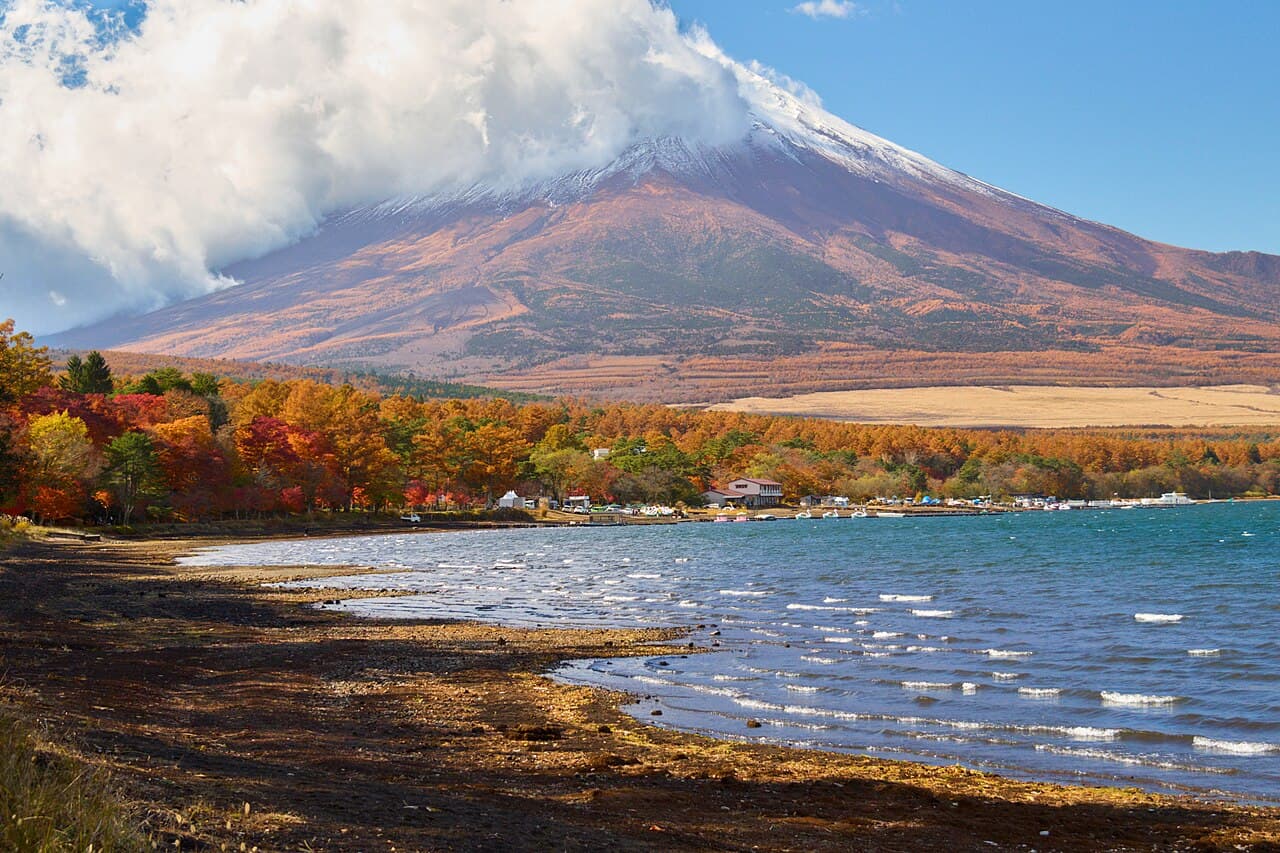
Experience timeless traditions, vibrant cities, incredible cuisine, and unforgettable cultural adventures.
Planning snapshot
A quick overview to help you decide whether this destination fits the kind of trip you want to take.
Typical budget
$53/day
Best season
Mar–May / Sep–Nov
Suggested duration
10–14 days
Region
Asia
When to go
Spring and autumn are popular for generally comfortable sightseeing conditions, but famous cherry-blossom and autumn-foliage periods can also bring heavier demand. Summer can be hot and humid, while late summer and early autumn may bring typhoon disruption in some regions.
Destination map
Get a quick geographic view of Japan and the places that can shape how you plan your journey.
Japan stretches across a long island chain, with Tokyo, Kyoto, and Osaka forming three of the most useful starting points for a first journey.
Important places
3 placesInteractive planning view
Zoom, move around, or select an important place to understand the destination geographically.
Getting there
Compare the main ways to reach Japan and choose the option that fits your route, budget, and travel style.
Best for international travelers
For most international travelers, flying is the most practical way to reach Japan. Major international gateways provide access to the country's principal travel regions.
Best for regional routes
Ferry services can be useful on selected international and regional routes, particularly when combining Japan with nearby destinations.
Planning note
Travel times, routes, availability, and prices can vary. Use this section as destination orientation before checking current transport options for your dates.
Getting around
Understand the main ways to move around Japanonce you arrive, and choose the options that fit your route, budget, and travel style.
Best for city-to-city travel
Japan's extensive rail network is one of the most useful ways to connect major cities and regions, especially when your itinerary includes several destinations.
Best for city exploration
Major cities have extensive urban rail systems that can make getting around without a car practical and efficient.
Best for local connections
Local and regional buses can complement rail travel, particularly when reaching neighborhoods, smaller towns, and places outside major rail corridors.
Best for short urban journeys
Walking can be a practical way to explore compact neighborhoods and central areas once you have reached the right part of a city.
Planning note
Local transport can vary by city, region, route, and operating hours. Use this section as destination orientation before checking current routes, fares, and availability for your dates.
Cost intelligence
Use this quick cost snapshot to understand the budget side of a trip to Japan before building your own plan.
Budget traveler benchmark
$53/day
Approximate daily orientation for a budget-conscious independent traveler.
Use it as a guide
Your actual budget will depend on your route, dates, accommodation choices, and activities.
Accommodation
$23/day
Budget stays and shared accommodation.
Food
$19/day
Typical budget for everyday meals.
Local transport
$6.54/day
Getting around after you arrive.
Activities
$6.52/day
Sightseeing, entrances, and low-cost experiences.
Planning note
Budget-traveler benchmark based on recent traveler-cost data. Actual spending varies by city, season, route, and travel style.
Decision guidance
Use this destination guidance to understand who the destination may suit, what makes it worth considering, and what to think about before you commit to your plans.
Good for
Travel styles and trip types that may fit this destination.
Why consider it
Japan works well for travelers who want to combine major cities, historic neighborhoods, food experiences, cultural landmarks, and efficient intercity travel within one journey.
Things to consider
Travel guidance
Planning note
Destination guidance is intended to support your planning decisions. Conditions, prices, transport, availability, and suitability can vary by traveler, route, season, and travel dates.
Stay intelligence
Compare practical places to base yourself in Japan. These are planning areas rather than individual hotel recommendations.
Tokyo is the strongest first base for travelers who want major transport connections, food, shopping, museums, neighborhoods, and easy onward rail access.
Best for
Why it works
Consider
Kyoto works well as a cultural base for temples, historic districts, traditional architecture, gardens, and slower-paced exploration.
Best for
Why it works
Consider
Osaka is a practical western Japan base for food-focused travelers, urban exploration, and regional rail trips around Kansai.
Best for
Why it works
Consider
Planning note
These bases help you compare location and trip style. They are not individual accommodation endorsements. Check current prices, transport access, neighborhood conditions, and accommodation reviews before booking.
Experience intelligence
Use these experience themes to decide what matters most during a trip to Japan before filling every day of your itinerary.
Culture
Build time around temples, shrines, traditional districts, gardens, museums, and historic streets rather than treating them as quick photo stops.
Planning note
Kyoto is a major focus, but cultural experiences also exist throughout Tokyo, Nara, Osaka, and regional Japan.
City
Japan's large cities can feel very different from one district to another, making neighborhood exploration a useful part of understanding everyday urban life.
Planning note
Group nearby neighborhoods together to reduce unnecessary cross-city travel.
Food
Use markets, casual restaurants, local specialties, and regional dishes as a way to experience how food culture changes between destinations.
Planning note
Excellent food does not require high-end dining; everyday restaurants and regional specialties can provide strong value.
Local life
Combine a small number of well-connected destinations so the transport network becomes part of an efficient itinerary rather than a source of constant transfers.
Planning note
Compare actual ticket costs and route needs before purchasing any rail pass.
Keep the itinerary realistic
These are priority experience themes, not a complete attraction list. Choose the experiences that fit your interests, route, budget, season, and available time rather than trying to include everything.
Preparation intelligence
Use these destination-specific considerations to understand what may affect packing and preparation for Japan. They complement the CalmiCamp planning tools rather than replacing your personal packing list.
Climate
Verify currentConditions can vary significantly by season and region, so clothing that works for Tokyo may not suit mountain areas, northern Japan, or a different time of year.
What to do
Check the forecast for each major stop shortly before packing.
Clothing
City exploration, stations, temple areas, historic districts, and transfers can involve more walking than expected even when public transport is excellent.
What to do
Prioritize comfortable footwear that has already been broken in.
Power
Japan commonly uses Type A electrical outlets and a 100-volt electricity supply, so some travelers may need an adapter or need to confirm device compatibility.
What to do
Check the voltage range printed on chargers and bring the appropriate adapter when required.
Money
Card and digital payments are common in many places, while cash can still be useful for smaller businesses, local services, temples, machines, or regional travel.
What to do
Carry a practical cash backup rather than relying on one payment method.
Documents
Verify currentPassport, visa, entry, customs, and other border requirements depend on nationality and can change over time.
What to do
Verify the rules that apply to your passport through official government or immigration sources before departure.
Preparation note
These are destination-planning considerations rather than a complete packing list. Your actual needs depend on season, route, activities, trip length, accommodation, and personal circumstances.
Entry rules, advisories, weather, transport disruptions, and local restrictions can change. Confirm current information through relevant official government, transport, and local-authority sources before and during your trip.
Safety intelligence
These planning considerations highlight conditions that may influence how you travel in Japan. They are not real-time advisories and do not replace current official information.
Environment
Verify currentJapan can experience earthquakes, heavy rain, typhoons, heat, snow, and other regional hazards depending on the season and location.
Planning action
Follow current local forecasts, alerts, and transport information during the trip.
Movement
Verify currentPublic transport is extensive, but services do not operate continuously everywhere and a missed final connection can change how you return to your accommodation.
Planning action
Check the final practical connection before staying out late or making a long evening transfer.
Remote travel
Verify currentMountain conditions can be very different from nearby cities, and access can depend on season, weather, route conditions, and local restrictions.
Planning action
Check current route conditions and local guidance before committing to outdoor plans.
Local rules
Transport, accommodation, religious sites, bathing facilities, neighborhoods, and public spaces can each have their own etiquette or operating rules.
Planning action
Look for posted guidance and follow instructions from local operators and authorities.
Safety note
Destination conditions can change and personal risk varies with route, activities, season, accommodation, transport, and individual circumstances. Use this information as planning context rather than a guarantee of safety.
Entry rules, advisories, weather, transport disruptions, and local restrictions can change. Confirm current information through relevant official government, transport, and local-authority sources before and during your trip.
Turn the guidance into action
Use CalmiCamp planning tools to turn destination intelligence into a practical budget, packing, safety, document, and money plan for your trip.
Know your costs before you travel.
Estimate accommodation, transport, food, and activities to travel within your budget.
Understand local money.
Learn about currencies, exchange tips, and budgeting before you arrive.
Pack smarter. Forget nothing.
Create personalized packing lists for every destination and travel style.
Travel prepared.
Essential safety reminders before every trip, from health to emergency contacts.
Keep everything organized.
Passport, visa, insurance, and travel document guidance for stress-free journeys.
Travel knowledge
Continue with practical CalmiCamp guides selected for the kind of planning this destination may require.
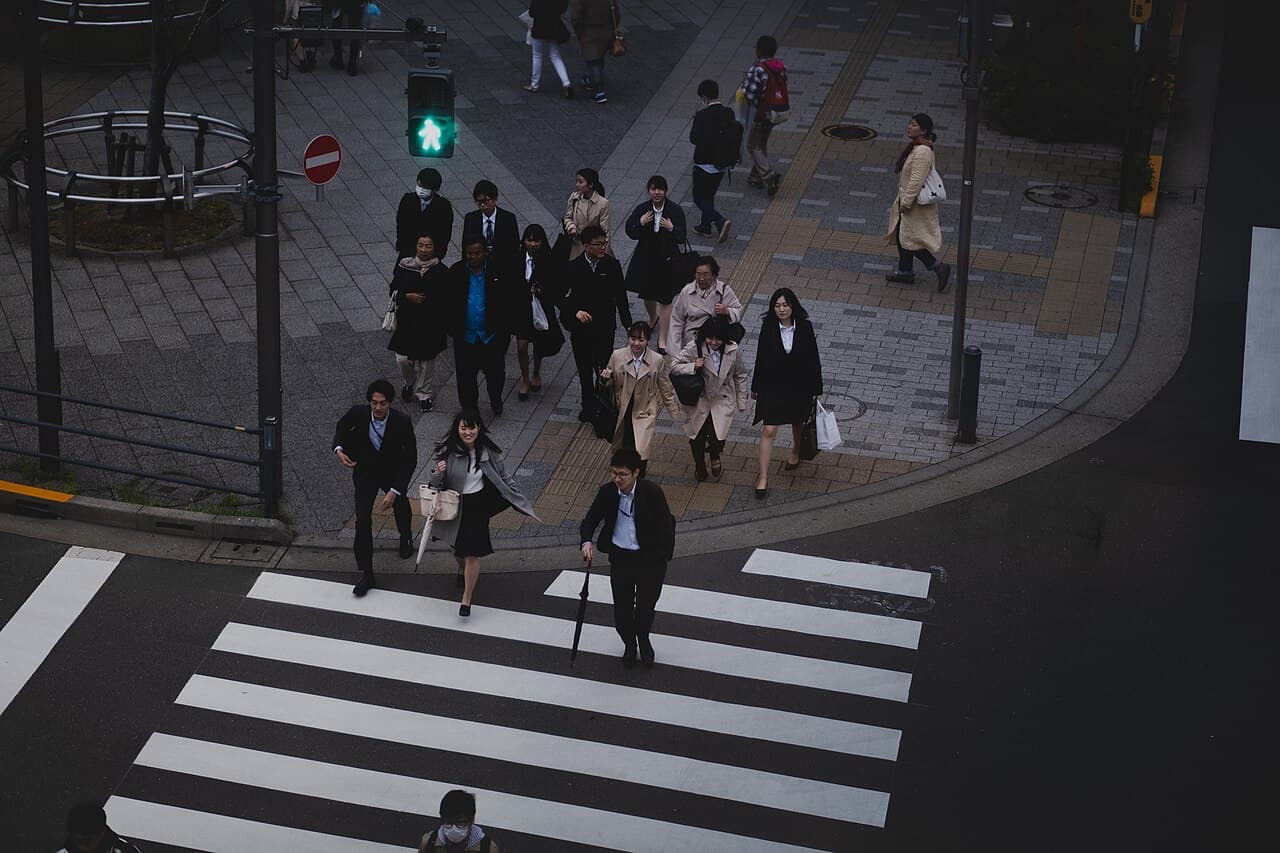
Learn how to experience Japan without overspending.
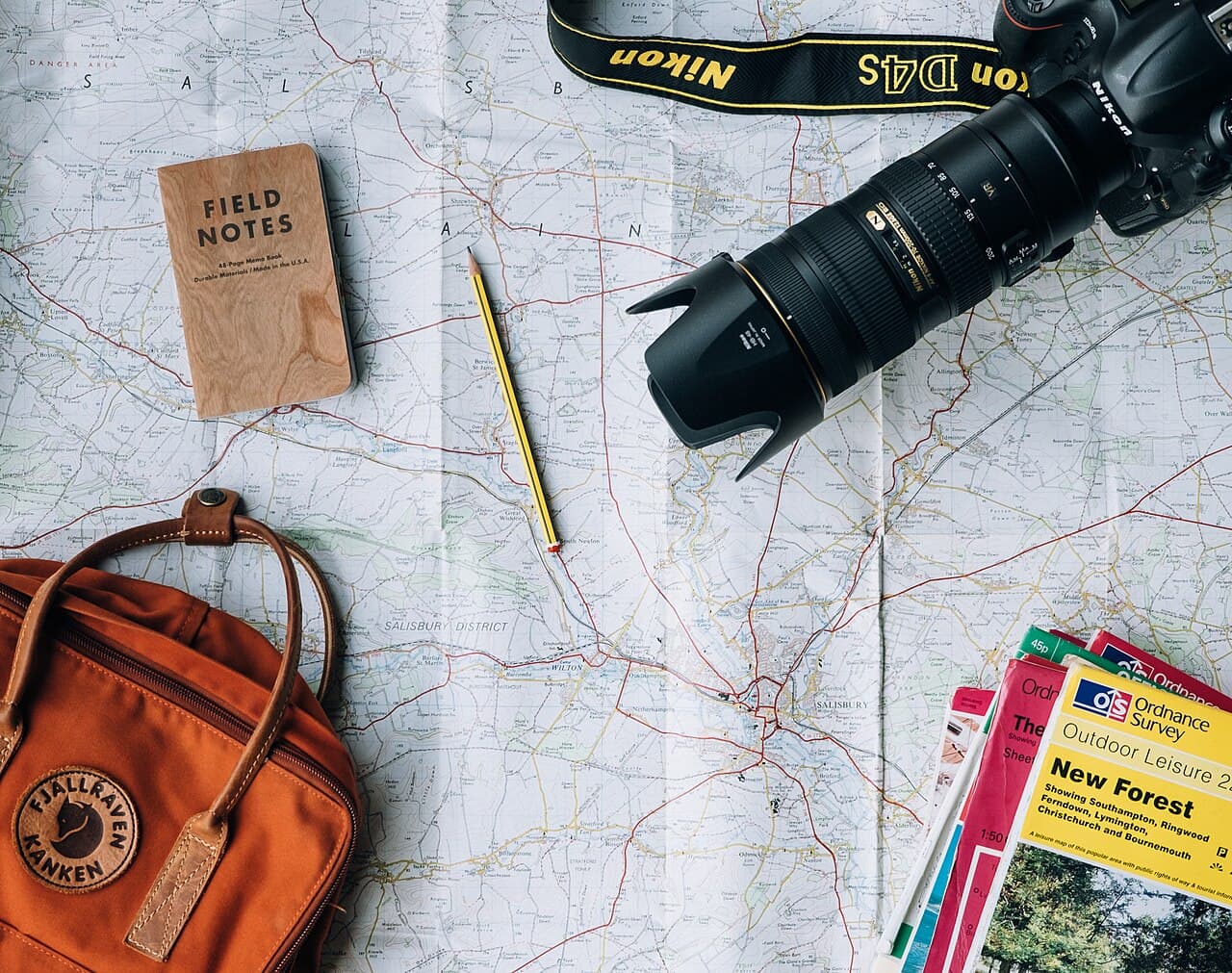
Simple ways to reduce travel costs without reducing experiences.
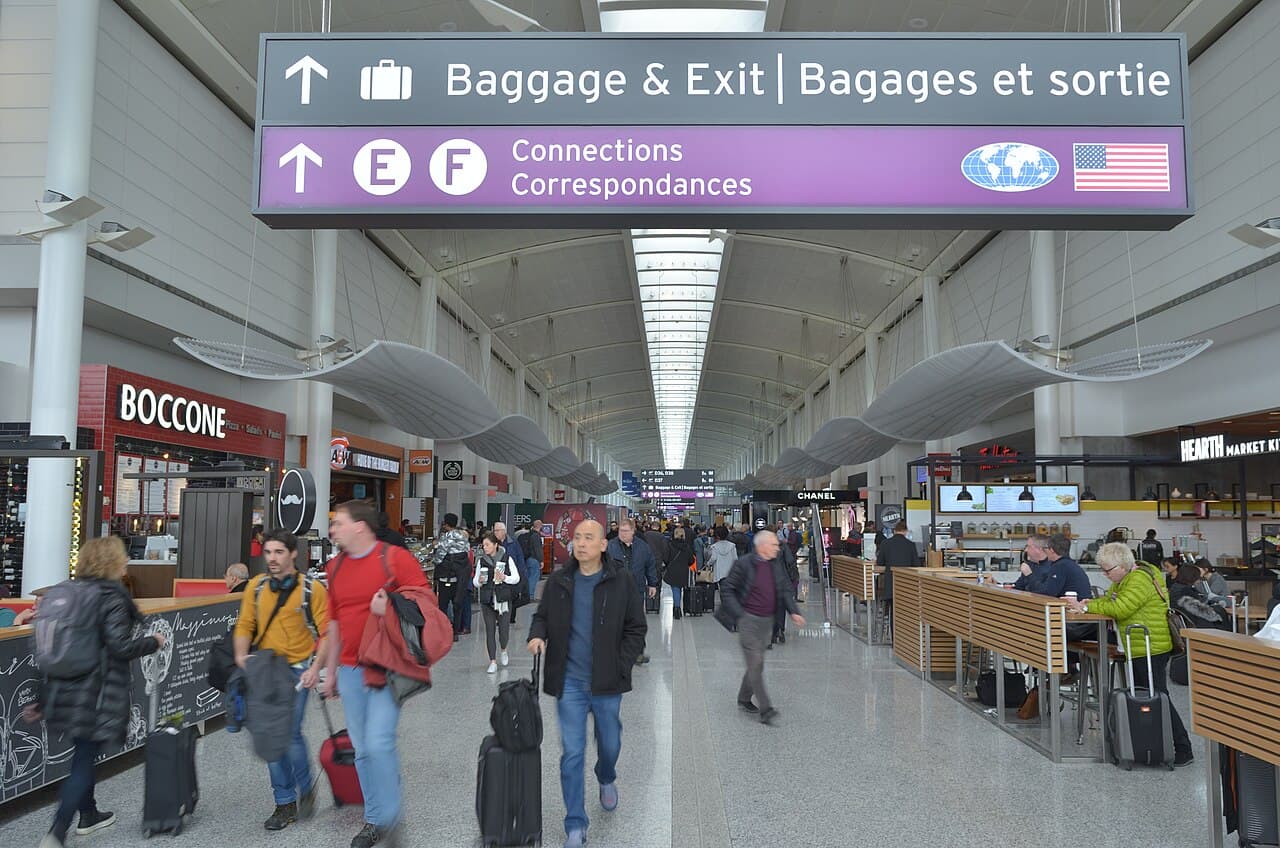
A complete preparation guide for first-time international travelers.
Useful resources
Use these CalmiCamp resources to organize the details and turn what you have learned into a clearer travel plan.
Prepare for your trip
Once you know where you want to go, use CalmiCamp planning tools to work through the practical details of your journey.
Continue planning
Build your journey with practical planning tools and information designed to help you travel with greater confidence.