
Fly
Best for international travelers
Flying is the most practical option for many international travelers, with Kathmandu serving as the country's principal international gateway.
Budget Friendly
Journey through the Himalayas, ancient temples, and unforgettable mountain adventures.
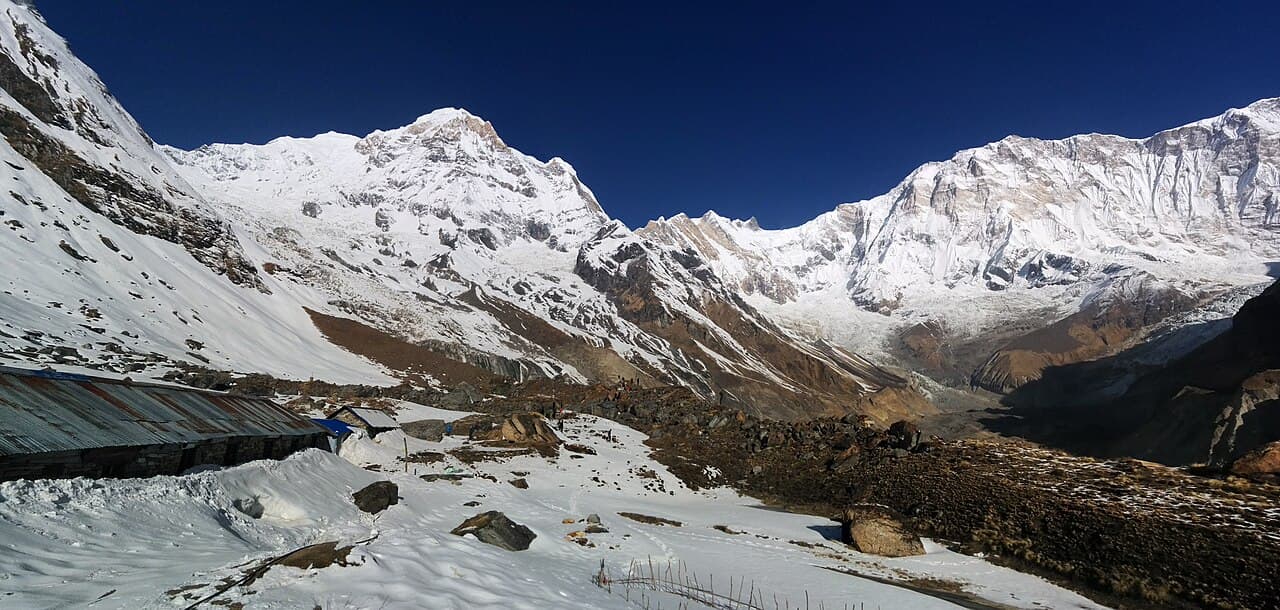
Planning snapshot
A quick overview to help you decide whether this destination fits the kind of trip you want to take.
Typical budget
$14/day
Best season
Mar–May / Oct–Nov
Suggested duration
7–14+ days
Region
Asia
When to go
Spring and autumn are important planning periods for Nepal, with October and November often bringing clearer post-monsoon conditions. Mountain weather changes with elevation, and trekking itineraries require more detailed route-specific planning.
Destination map
Get a quick geographic view of Nepal and the places that can shape how you plan your journey.
Nepal is compact from east to west but geographically varied, with Kathmandu, Pokhara, and Bharatpur providing useful planning anchors.
Important places
3 placesInteractive planning view
Zoom, move around, or select an important place to understand the destination geographically.
Getting there
Compare the main ways to reach Nepal and choose the option that fits your route, budget, and travel style.
Best for international travelers
Flying is the most practical option for many international travelers, with Kathmandu serving as the country's principal international gateway.
Best for budget overland travel
Overland bus routes can be useful for travelers entering Nepal from neighboring countries and can offer a lower-cost alternative to flying.
Best for flexible routes
A private vehicle can be useful for travelers crossing nearby borders or combining Nepal with a wider overland journey.
Planning note
Travel times, routes, availability, and prices can vary. Use this section as destination orientation before checking current transport options for your dates.
Getting around
Understand the main ways to move around Nepalonce you arrive, and choose the options that fit your route, budget, and travel style.
Best for budget travel
Buses and local road transport are important for connecting cities and towns, particularly for travelers keeping transport costs under control.
Best for flexible routes
A private vehicle can provide more flexibility when visiting several places or reaching areas where public transport connections are limited.
Best for short trips
Taxis can be useful for shorter urban journeys and for reaching places where public transport is less convenient.
Best for short local journeys
Walking can be useful for exploring compact areas and is often the simplest option for short distances within towns and city neighborhoods.
Planning note
Local transport can vary by city, region, route, and operating hours. Use this section as destination orientation before checking current routes, fares, and availability for your dates.
Cost intelligence
Use this quick cost snapshot to understand the budget side of a trip to Nepal before building your own plan.
Budget traveler benchmark
$14/day
Approximate daily orientation for a budget-conscious independent traveler.
Use it as a guide
Your actual budget will depend on your route, dates, accommodation choices, and activities.
Accommodation
$4.89/day
Budget stays and shared accommodation.
Food
$5.25/day
Typical budget for everyday meals.
Local transport
$3.33/day
Getting around after you arrive.
Activities
$2.77/day
Sightseeing, entrances, and low-cost experiences.
Planning note
Budget-traveler benchmark based on recent traveler-cost data. Actual spending varies by city, season, route, and travel style.
Decision guidance
Use this destination guidance to understand who the destination may suit, what makes it worth considering, and what to think about before you commit to your plans.
Good for
Travel styles and trip types that may fit this destination.
Why consider it
Nepal can suit travelers looking for a combination of Himalayan landscapes, trekking opportunities, historic cities, cultural sites, and relatively budget-conscious independent travel.
Things to consider
Travel guidance
Planning note
Destination guidance is intended to support your planning decisions. Conditions, prices, transport, availability, and suitability can vary by traveler, route, season, and travel dates.
Stay intelligence
Compare practical places to base yourself in Nepal. These are planning areas rather than individual hotel recommendations.
Kathmandu is the main arrival base and works well for heritage, urban culture, practical trip preparation, and connections to other parts of Nepal.
Best for
Why it works
Consider
Pokhara is a major base for mountain views, trekking preparation, lakeside travel, and outdoor activities.
Best for
Why it works
Consider
Chitwan provides a lower-altitude nature base for wildlife, forest environments, birdwatching, and a different experience from Nepal's mountain regions.
Best for
Why it works
Consider
Planning note
These bases help you compare location and trip style. They are not individual accommodation endorsements. Check current prices, transport access, neighborhood conditions, and accommodation reviews before booking.
Experience intelligence
Use these experience themes to decide what matters most during a trip to Nepal before filling every day of your itinerary.
Culture
Use historic areas, temples, traditional architecture, markets, and cultural sites to understand Nepal beyond its mountain identity.
Adventure
Choose a route that matches available time, fitness, altitude experience, season, and preparation rather than selecting only by scenery.
Planning note
Altitude, acclimatization, weather, permits, and route conditions can materially change the plan.
Nature
Combine mountain views, lakeside time, walking, trekking connections, and other outdoor activities from one practical regional base.
Nature
Add jungle, birdwatching, canoeing, and wildlife-focused experiences to create a route that goes beyond Nepal's mountain regions.
Keep the itinerary realistic
These are priority experience themes, not a complete attraction list. Choose the experiences that fit your interests, route, budget, season, and available time rather than trying to include everything.
Preparation intelligence
Use these destination-specific considerations to understand what may affect packing and preparation for Nepal. They complement the CalmiCamp planning tools rather than replacing your personal packing list.
Climate
Verify currentKathmandu, the southern lowlands, Pokhara, and high mountain routes can have very different temperatures and conditions during the same trip.
What to do
Build clothing around the highest and most exposed part of your actual route rather than the arrival city alone.
Luggage
Verify currentA mountain itinerary can require footwear, layers, weather protection, carrying capacity, and other equipment that a city-focused Nepal trip may not need.
What to do
Base equipment decisions on the specific route, altitude, duration, season, and support arrangement.
Connectivity
Internet access, mobile coverage, and charging can become less dependable as a journey moves away from major urban areas.
What to do
Keep essential information available offline and carry practical charging backup where appropriate.
Money
Access to cards, cash machines, and reliable payment infrastructure can be more limited outside major travel centers.
What to do
Plan cash needs before leaving larger towns while avoiding unnecessary amounts of cash.
Documents
Verify currentEntry permissions, trekking permits, protected-area requirements, insurance expectations, and route rules depend on the journey you plan.
What to do
Check current official requirements for your nationality and exact trekking or travel route.
Preparation note
These are destination-planning considerations rather than a complete packing list. Your actual needs depend on season, route, activities, trip length, accommodation, and personal circumstances.
Mountain conditions, permits, weather, transport reliability, health considerations, and access rules can change rapidly. Verify current official and local information for the exact route before departure.
Safety intelligence
These planning considerations highlight conditions that may influence how you travel in Nepal. They are not real-time advisories and do not replace current official information.
Health
Verify currentHigh-altitude travel can affect people regardless of fitness, and itinerary speed can materially influence acclimatization.
Planning action
Plan conservative ascent, understand altitude-related warning signs, and seek appropriate professional medical guidance for personal health questions.
Remote travel
Verify currentWeather, snow, landslides, trail conditions, bridge access, local restrictions, and other factors can change mountain routes.
Planning action
Use current local information and appropriate route support rather than relying only on an older itinerary.
Movement
Verify currentMountain geography, road conditions, weather, and traffic can make journey times less predictable than map distance suggests.
Planning action
Avoid planning critical onward connections with very narrow transfer margins.
Remote travel
Verify currentRemote journeys can place travelers farther from immediate transport, communication, and emergency support.
Planning action
Share the route, understand local support arrangements, and know how assistance would be contacted before entering remote areas.
Safety note
Destination conditions can change and personal risk varies with route, activities, season, accommodation, transport, and individual circumstances. Use this information as planning context rather than a guarantee of safety.
Mountain conditions, permits, weather, transport reliability, health considerations, and access rules can change rapidly. Verify current official and local information for the exact route before departure.
Turn the guidance into action
Use CalmiCamp planning tools to turn destination intelligence into a practical budget, packing, safety, document, and money plan for your trip.
Know your costs before you travel.
Estimate accommodation, transport, food, and activities to travel within your budget.
Understand local money.
Learn about currencies, exchange tips, and budgeting before you arrive.
Pack smarter. Forget nothing.
Create personalized packing lists for every destination and travel style.
Travel prepared.
Essential safety reminders before every trip, from health to emergency contacts.
Keep everything organized.
Passport, visa, insurance, and travel document guidance for stress-free journeys.
Travel knowledge
Continue with practical CalmiCamp guides selected for the kind of planning this destination may require.
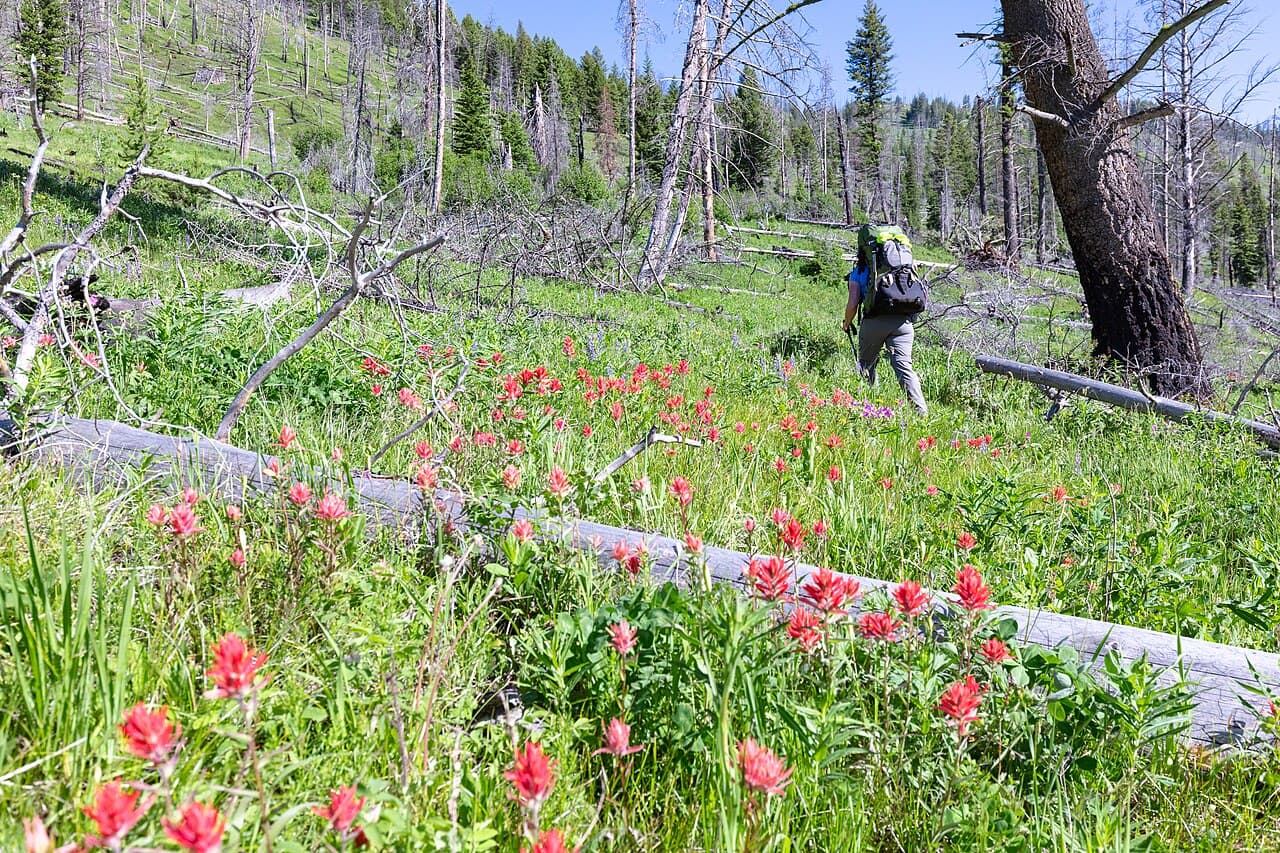
Everything you need for your first backpacking adventure.
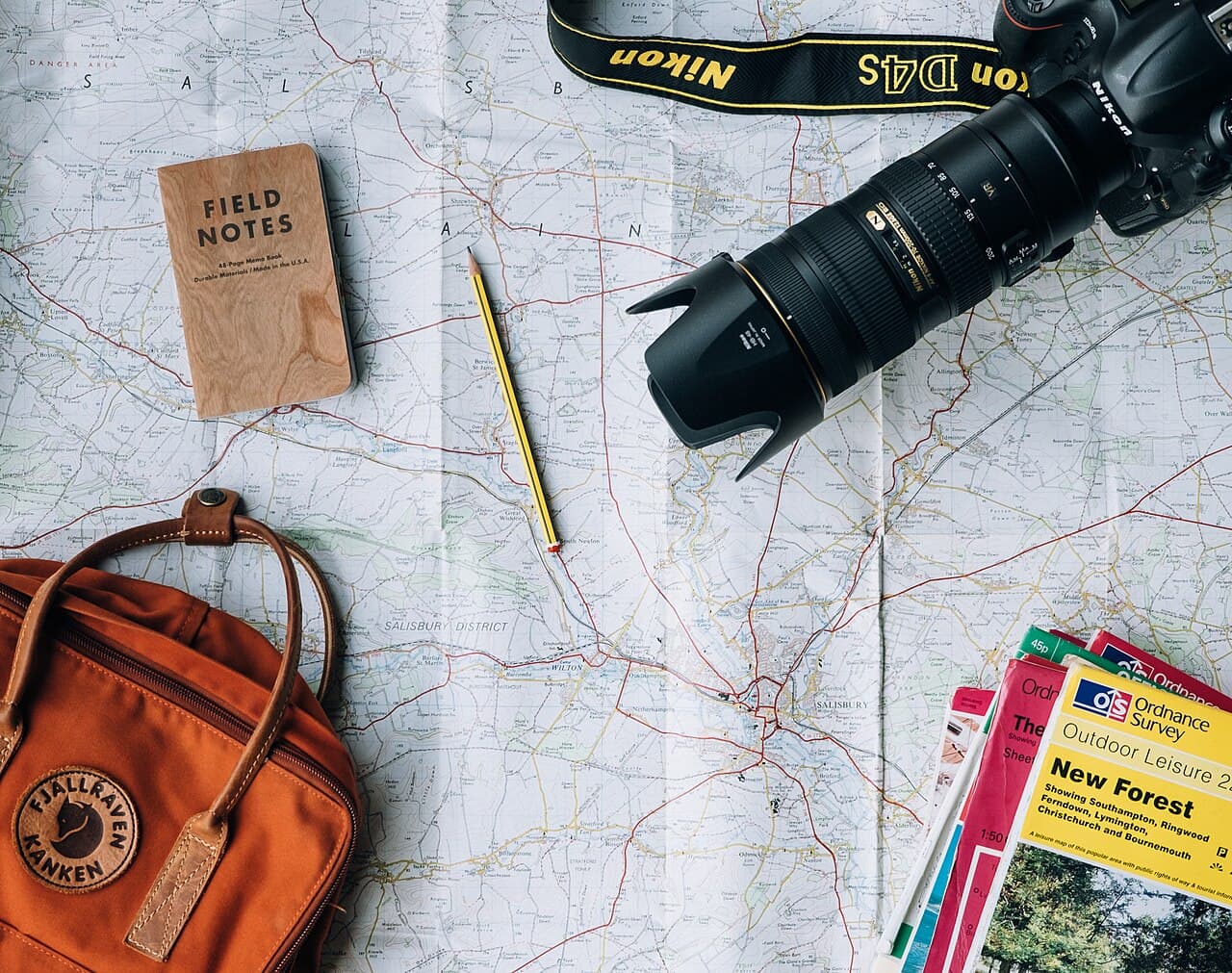
Simple ways to reduce travel costs without reducing experiences.
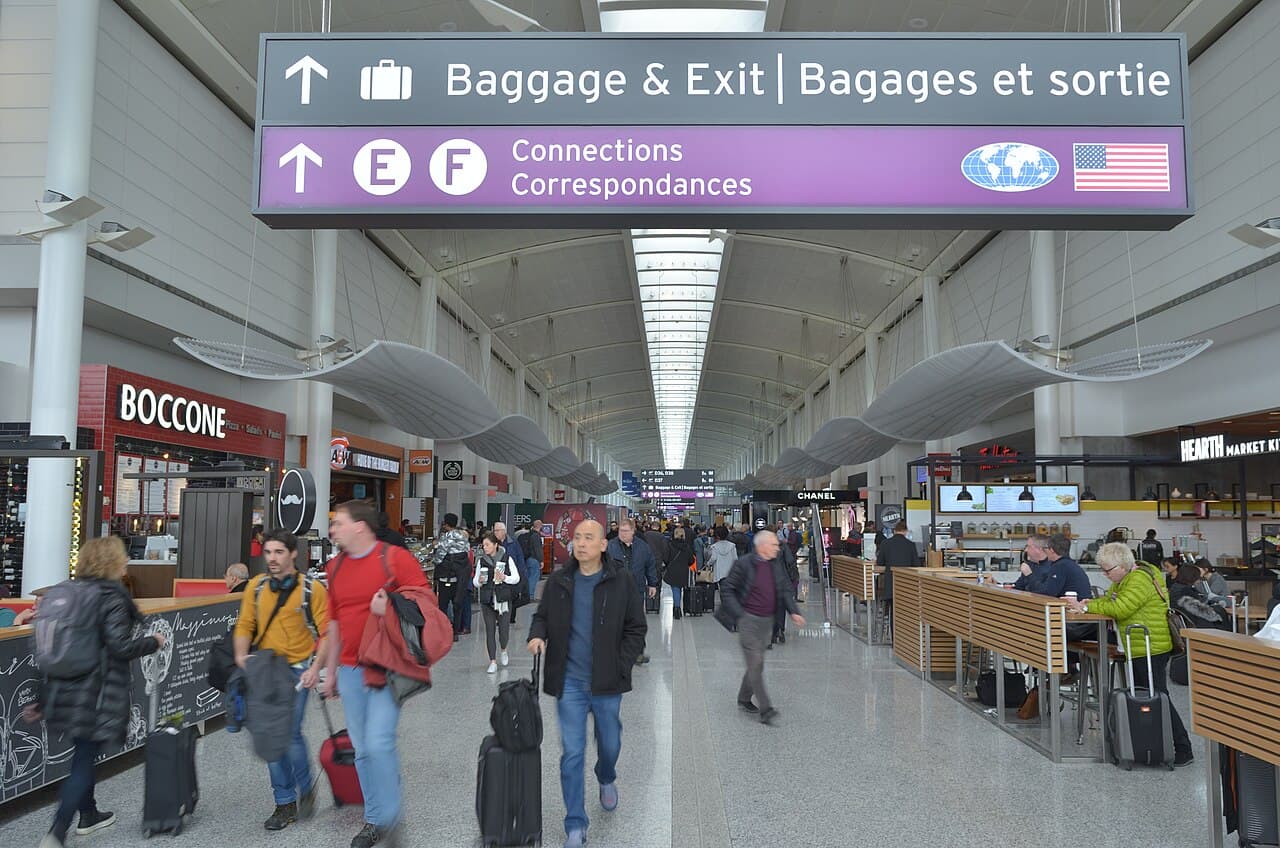
A complete preparation guide for first-time international travelers.
Useful resources
Use these CalmiCamp resources to organize the details and turn what you have learned into a clearer travel plan.
Prepare for your trip
Once you know where you want to go, use CalmiCamp planning tools to work through the practical details of your journey.
Continue planning
Build your journey with practical planning tools and information designed to help you travel with greater confidence.